
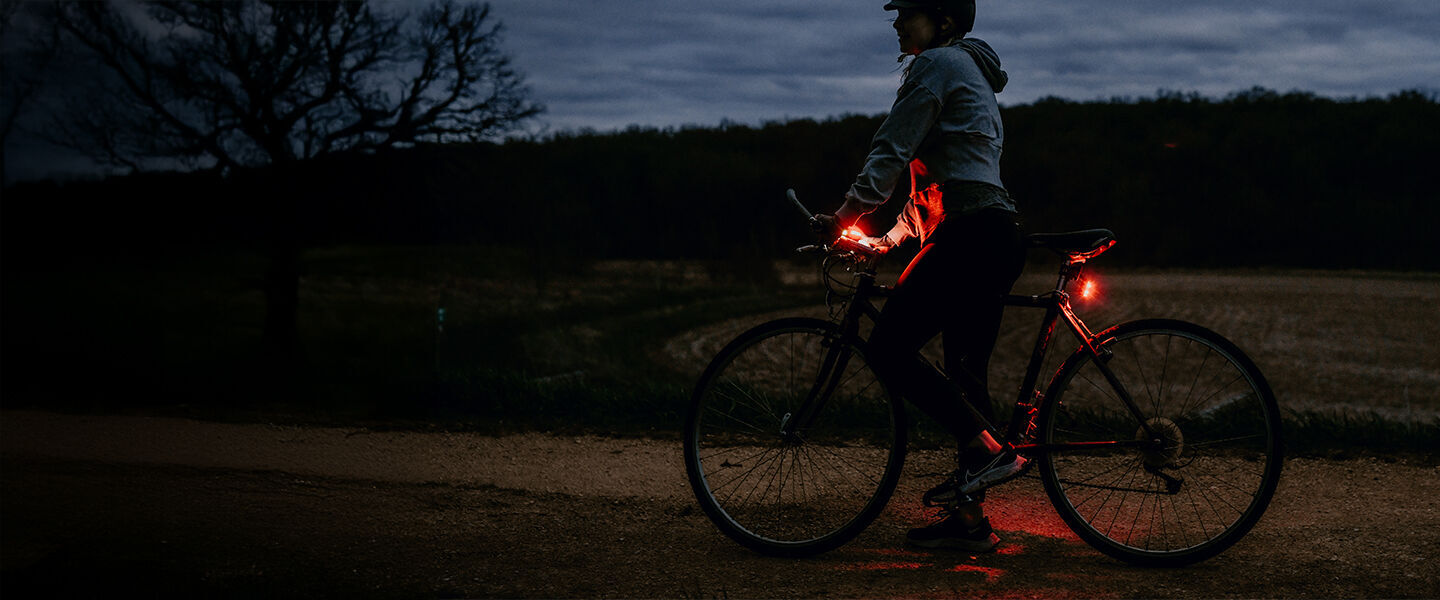
Bike lights are crucial devices to improve visibility and provide safety in dark or poorly-lit places. A bike safety light offers enough illumination in the night and works as a beacon for other bikers, car drivers or pedestrians to prevent collisions and accidents. In this article, we’ll discuss what role they play and why they are important for bike riders as well as road users.
Types of Bike Lights
There are many types of bike lights available, including:
- Front lights: Commonly white, these lights help bikers see obstacles by illuminating the way ahead.
- Rear lights: These lights, which are typically red, alert other cyclists and drivers to a cyclist’s presence from behind.
- Reflective lights: When headlights shine on them, visibility is increased since these reflect light rather than emit it.
- Helmet lights: These can be installed on helmets to improve visibility and illumination.
The Human Eye’s Relationship With Light
Although it takes time, the human eye adjusts to light levels to preserve vision. Visual acuity is momentarily reduced while moving from intense sunshine to a shaded environment, making it more difficult to spot approaching objects. While softer light reduces discomfort, bright, white lights can induce glare and eye strain.
In what ways do bike lights enhance safety?
Bike lights greatly increase safety by:
Improving visibility: Bicyclists with bright lights are easier for vehicles to see, particularly at night or in bad weather.
Lighting the road: Riders on bikes can navigate road conditions and barriers more safely with the help of front lights.
Signalling intentions: Rear lights lower the chance of accidents by warning drivers of a cyclist’s presence and intentions.
When is the right time to use bike lights?
Using bike lights is advised:
- At night or during periods of low light, like dawn or dusk.
- On days when visibility is poor due to clouds or rain.
- In places with inadequate lighting, such as dark highways or paths.
What is the ideal brightness for my bike lights?
Lumens are a unit of measurement for bike light brightness. For the majority of road conditions, front lights with a brightness of 200–400 lumens are usually adequate. Depending on the situation, rear lights should have a brightness of between 50 and 100 lumens so that they may be seen from a distance.
Do the use of bike lights have any rules?
Indeed, there are rules in many places that mandate riders use lights during specific times of day or under specific circumstances. When riding at night, bikers are usually required to have a red rear light and a white front light. Verifying conformity with local legislation is crucial.
How do I keep my bike lights in good condition?
Use the following maintenance advice to ensure lifetime and maximum performance:
- Check batteries regularly and replace them when necessary.
- To keep the lenses clear and brilliant, clean them.
- Ensure that the mounting brackets are attached to the bike securely.
Are there any other uses for bike lights?
Yes! In addition to using bike lights for riding, many cyclists also use them for other outdoor activities like walking or running in poor light. They can also be useful for signalling for help in an emergency.
What are the best ways to use bike lights?
When using bike lights, keep the following best practices in mind to increase safety:
- Even during the day, make sure your lights are always on.
- Your front light should be positioned such that it illuminates your way without blinding opposing vehicles.
- Make sure you can see your rear light from every direction.