
For many, a cup of coffee is merely a functional tool to spark the brain into action each morning. However, for the connoisseur, coffee is a complex beverage boasting over 800 aromatic compounds—nearly double that of wine. Moving from a “serviceable” cup of coffee to a truly delicious one is a journey that sits at the intersection of science, art, and mindfulness.
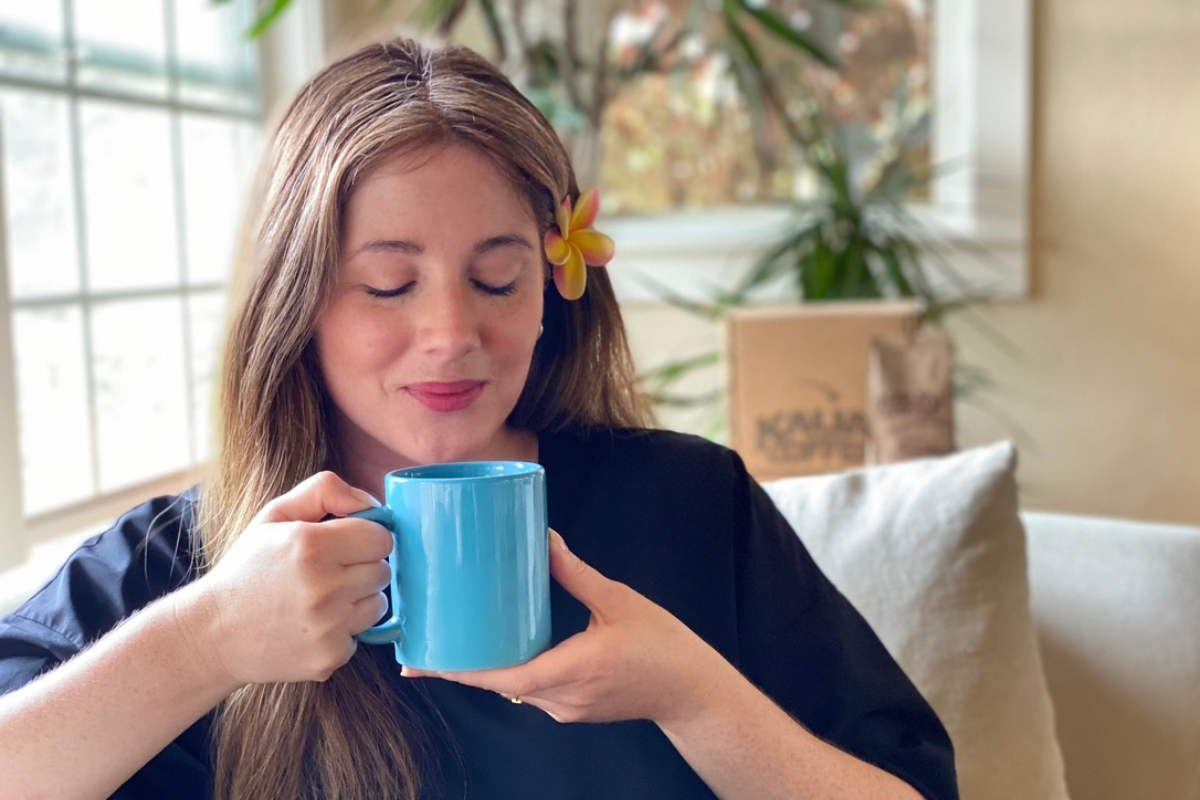
Brewing the perfect cup does not require an expensive, high-tech laboratory. Instead, it requires an understanding of the variables that govern extraction. When you master the balance of water quality, temperature, grind size, and freshness, you transform a mundane routine into a daily ritual of excellence.
1. The Foundation: Freshness and Quality of the Bean
You cannot brew a world-class cup of coffee from stale, low-grade beans. The journey begins long before the water hits the grounds.
The Roast Date Matters
Coffee is a perishable product. Once beans are roasted, they begin to release carbon dioxide and oxidize. For the best flavor profile, aim to use beans that were roasted within the last two to four weeks. Beans found on supermarket shelves often sit for months, losing the volatile oils that provide sweetness and acidity. Look for local roasters who display the “Roast Date” clearly on the packaging.
Whole Bean vs. Pre-Ground
The moment coffee is ground, the surface area increases exponentially, accelerating oxidation. If you buy pre-ground coffee, it has likely lost its aromatic soul before you even open the bag. The single most significant upgrade you can make to your coffee routine is purchasing a burr grinder and grinding your beans immediately before brewing.
2. Understanding the Grind: Texture is Everything
The size of your coffee grounds determines how quickly the water can extract the flavors. This is often where many home brewers go wrong.
Matching Grind to Method
Different brewing methods require different surface areas:
- Coarse (Sea Salt texture): Ideal for French Press and Cold Brew.
- Medium (Table Salt texture): Perfect for Drip Coffee and Pour-Overs.
- Fine (Powdered Sugar texture): Necessary for Espresso.
If your coffee tastes bitter or unpleasantly “ashy,” you have likely over-extracted it, meaning your grind was too fine or you brewed it for too long. Conversely, if the coffee tastes sour, thin, or salty, it is under-extracted, suggesting your grind was too coarse.
3. Water Quality and Temperature
Since a cup of coffee is approximately 98 percent water, the quality of that water is paramount. If your tap water has a distinct chlorine taste or high mineral hardness, your coffee will suffer.
Filtered is Best
Always use filtered water to ensure a clean canvas for the coffee’s natural flavors. However, avoid distilled water; coffee needs a small amount of mineral content to help “grip” the flavor compounds during extraction.
The Goldilocks Zone for Temperature
Many automatic coffee makers do not reach the necessary temperature for proper extraction. The Specialty Coffee Association suggests a range between 195°F and 205°F (approximately 90°C to 96°C). If the water is boiling (212°F), it can scorch the grounds, leading to a bitter taste. If you don’t have a thermometer, let your kettle sit for about 30 to 60 seconds after reaching a boil before pouring.
4. Precision through Ratios and Timing
Professional baristas do not “eyeball” their measurements; they use scales. Consistency is the hallmark of a great brewer.
The Golden Ratio
A standard starting point is the 1:16 ratio—one part coffee to sixteen parts water. For example, if you use 20 grams of coffee, you should use 320 grams (or milliliters) of water. From here, you can adjust to your preference: 1:15 for a stronger, more full-bodied cup, or 1:17 for a lighter, more delicate tea-like experience.
Contact Time
The duration the water is in contact with the coffee is critical. For a pour-over, the process should take about 3 to 4 minutes. A French Press usually requires 4 minutes of steeping. If your brew is taking 6 minutes, the resulting cup will likely be over-extracted and bitter.
5. The Art of the Bloom
When you first pour water over fresh grounds, you will notice bubbles and foam rising to the surface. This is called the “bloom.” It is the release of carbon dioxide gas. If this gas isn’t removed, it can repel water and prevent even extraction.
To master the bloom, pour a small amount of water (about twice the weight of the coffee) over the grounds and wait 30 seconds. Once the bubbling subsides, continue with the rest of your pour. This simple pause ensures that every granule of coffee is fully saturated and ready to give up its flavor.
Conclusion
Brewing a delicious cup of coffee is a rewarding pursuit that encourages a slower, more intentional start to the day. It is a hobby where small, incremental changes—like switching to filtered water or adjusting your grind by a single notch—can lead to profound differences in the glass.
By respecting the freshness of the bean and understanding the physics of extraction, you move away from a reliance on sugar and cream to mask bitterness. Instead, you unlock the natural notes of chocolate, fruit, and spice that make coffee one of the most beloved beverages on the planet.