
Few experiences compare to the sheer exhilaration of riding a motorcycle. The feeling of open-air freedom, the intimate connection with the machine, and the ability to transform a mundane daily commute into an authentic adventure attract thousands of new riders to the two-wheeled lifestyle every year. However, beneath the romantic appeal of the open road lies a demanding skill set that requires discipline, physical coordination, and sharp situational awareness.
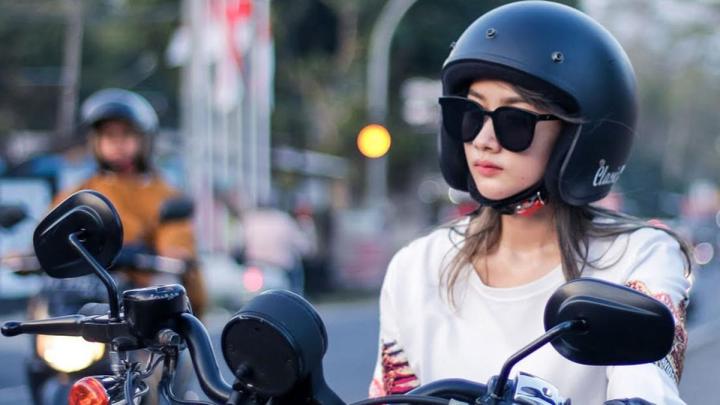
Stepping into the world of motorcycling can feel intimidating for beginners. Unlike driving a car, riding a motorcycle leaves you exposed to the elements and requires active physical balancing and precise control coordination. To ensure your transition into riding is safe, smooth, and highly enjoyable, this comprehensive guide outlines the vital tips and tricks every aspiring motorcyclist needs to know.
1. Prioritize Professional Education and Licensing
The absolute first step to becoming a motorcyclist should never be buying a bike and trying to figure it out in an empty parking lot. Riding a motorcycle safely requires specific muscle memory and cognitive habits that are best learned from a certified professional.
Enrolling in a Beginner Rider Course
Before hitting public roads, enroll in a recognized professional safety course, such as the Motorcycle Safety Foundation (MSF) Basic RiderCourse or your local equivalent. These intensive programs are designed specifically for individuals with absolutely zero riding experience.
Under the watchful eye of certified instructors, you will learn the foundational mechanics of clutch control, shifting, low-speed turning, and emergency braking in a controlled, closed-course environment. A massive benefit of these courses is that they usually provide the training motorcycles, allowing you to learn and make mistakes without worrying about dropping your own machine. Furthermore, completing the course frequently waives the riding portion of your state’s licensing exam and qualifies you for insurance discounts.
2. Invest in Quality Riding Safety Gear
In the motorcycling community, there is a famous acronym: ATGATT. This stands for “All The Gear, All The Time.” Unlike a car, a motorcycle does not feature crumple zones, airbags, or a steel protective cage. Your riding gear is your only shield against injury if you lose traction or encounter an unpredictable driver.
The Essential Protective Kit
- The Helmet: Never skimp on your helmet. Ensure it carries a verified safety certification, such as DOT, ECE, or Snell. A full-face helmet is highly recommended because it offers maximum protection for your jaw and face, while keeping wind noise and flying insects away from your eyes.
- Jacket and Pants: Look for specialized motorcycle jackets and pants made from abrasion-resistant materials like heavy-duty leather or high-density textile mesh. These garments should feature built-in CE-rated armor pads at the impact points: the elbows, shoulders, knees, and back.
- Gloves and Boots: Human hands instinctively reach out during a fall. Protect them with durable, reinforced motorcycle gloves. For your feet, wear sturdy, over-the-ankle boots with non-slip soles to support the motorcycle’s weight when stopped and protect your delicate ankle bones.
3. Choose a Modest, Beginner-Friendly First Motorcycle
It is incredibly tempting for a beginner to purchase their dream bike right away—whether that is a roaring 1000cc sportbike or a massive, heavy cruiser. However, starting on a machine with too much power or excessive weight is one of the fastest ways to stall your progress and increase your risk of an accident.
Finding the Sweet Spot for Learning
As a novice, your first motorcycle should be a tool for building confidence, not proving status. Look for lightweight bikes with engine displacements between 250cc and 500cc. Smaller engine capacities provide a forgiving power delivery, meaning a slight mistake with the throttle will not cause the bike to jump out from under you.
Additionally, look for a bike with an upright, standard riding position where your feet can rest flat on the ground when stopped. Managing a lighter, more nimble motorcycle allows you to master low-speed maneuvers and cornering techniques without fighting the immense gravitational pull of a 700-pound machine.
4. Master the Mental Art of Defensive Riding
When you ride a motorcycle, you must accept a harsh reality: you are practically invisible to many car drivers. Due to a phenomenon known as inattentional blindness, the human brain driving a car is actively looking for large objects like other cars and trucks, frequently filtering out smaller silhouettes like motorcycles.
Developing Situational Awareness
To survive and thrive on two wheels, you must ride defensively and assume that other drivers do not see you. Always maintain a generous following distance behind the vehicle in front of you to give yourself ample time to react to sudden braking or road debris.
Avoid riding in the blind spots of cars and trucks, and position yourself strategically within your lane to maximize your visibility. When approaching intersections—where a significant percentage of multi-vehicle motorcycle accidents occur—slow down slightly, cover your brakes, and watch the front tires of oncoming vehicles waiting to turn left across your path. Their wheels will often tell you they are moving before the car does.
Conclusion
Getting into motorcycle riding is a deeply transformative journey that sharpens your focus, builds manual dexterity, and introduces you to a welcoming, passionate global community of fellow riders. While the learning curve can feel steep during the first few weeks, the rewards of proper preparation are boundless.
By investing in professional training, committing to high-quality safety gear, starting on a manageable motorcycle, and cultivating a fiercely defensive riding mindset, you lay a rock-solid foundation for a lifetime of safe adventures. Respect the machine, honor the road, and enjoy the unparalleled clarity that comes when everything fades away except the line of the asphalt ahead of you.