
Travel is often romanticized as a seamless journey of discovery, but the reality can involve long security lines, delayed flights, and the frantic realization that you forgot your universal adapter. While you cannot control the weather or airline schedules, you can control your preparation.
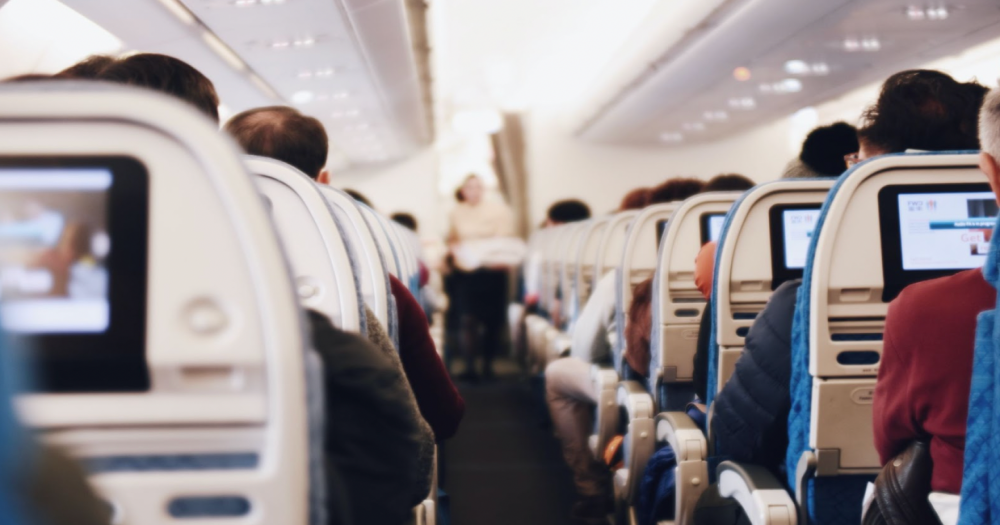
Reducing travel stress is about shifting from a reactive mindset to a proactive one. By implementing a few strategic habits, you can transform a chaotic trip into a rejuvenating adventure. Here is a comprehensive guide to making your travel experience as stress-free as possible.
1. Master the Art of Pre-Trip Organization
The foundation of a stress-free trip is laid weeks before you leave your house. Disorganization is the primary fuel for anxiety.
- Digitalize Your Documents: Don’t rely solely on your phone’s data connection. Save offline copies of your boarding passes, hotel reservations, and travel insurance in a dedicated folder. Better yet, keep one physical printout in your carry-on as a “fail-safe.”
- Use a Packing List: Avoid the “midnight before” panic. Use a checklist app or a classic pen-and-paper list to ensure essentials like medications, chargers, and passports are packed early.
- Check Entry Requirements: Post-pandemic travel still carries various visa and health regulations. Check the official government websites of your destination at least a month in advance to avoid last-minute paperwork hurdles.
2. Pack Light and Pack Smart
Heavy luggage is a physical and mental burden. The more you carry, the more you have to manage, protect, and pay for.
- The “Carry-On Only” Challenge: If possible, skip the checked bag. Not only does this save you from the dreaded baggage claim wait, but it also eliminates the risk of the airline losing your belongings.
- Invest in Packing Cubes: These are a game-changer for organization. They compress your clothes and allow you to find exactly what you need without exploding your entire suitcase across a hotel bed.
- Wear Your Heaviest Items: Save space by wearing your bulky coat and sturdiest shoes during transit.
3. Buffer Your Schedule
The biggest stressor in travel is the “time crunch.” We often underestimate how long it takes to move through an airport or navigate a new city.
- The Two-Hour Rule: Arrive at the airport earlier than you think you need to. That extra hour spent sipping coffee at the gate is far more pleasant than a sprint through the terminal.
- Avoid Tight Connections: When booking flights, aim for at least a two-hour layover for domestic flights and three hours for international. A short delay on your first leg shouldn’t ruin your entire itinerary.
- Build in “Do Nothing” Time: Don’t overschedule your days. Leave room for a nap, a slow lunch, or just people-watching at a park.
4. Leverage Technology for Peace of Mind
In 2026, technology is your best travel companion if used correctly.
- Download Offline Maps: Google Maps allows you to download entire city areas. This is a lifesaver when you find yourself in a “dead zone” or want to save on international roaming fees.
- Flight Tracking Apps: Apps like FlightRadar24 or your airline’s official app often provide updates on delays or gate changes faster than the airport monitors.
- Global Entry or TSA PreCheck: If you travel frequently, these programs are worth every penny. Bypassing the long lines for security and customs can shave hours off your travel time.
5. Prioritize Self-Care on the Move
Travel is hard on the body. A tired, dehydrated traveler is a stressed traveler.
- Hydrate Constantly: Airplanes are notoriously dehydrating environments. Bring a reusable water bottle and fill it up after passing security.
- Noise-Canceling Headphones: Blocking out the roar of the engines or a crying infant can significantly lower your cortisol levels during a flight.
- Dress for Comfort: Forget the airport fashion show. Opt for breathable layers and shoes that are easy to slip off during security checks.
Conclusion
At its core, travel should be an enriching experience that broadens your horizons. While hiccups are inevitable, they don’t have to define your trip. By organizing your documents, packing efficiently, and giving yourself the gift of extra time, you can navigate the world with a sense of calm and curiosity.
Would you like me to create a printable “Ultimate Travel Checklist” based on these tips to help you prepare for your next journey?