
The internet has fundamentally rewritten the rules of commerce. Marketing today is no longer about shouting the loudest; it is about strategically connecting with the right audience, offering genuine value, and building relationships at scale. Marketing on the Internet, or digital marketing, is a vast, dynamic discipline that requires a mastery of data, creativity, and technological platforms. It is the engine that drives modern business growth, turning anonymous web traffic into loyal customers and brand advocates. For any business aiming to thrive in the 21st century, understanding and executing a cohesive digital marketing strategy is not optional—it is essential.
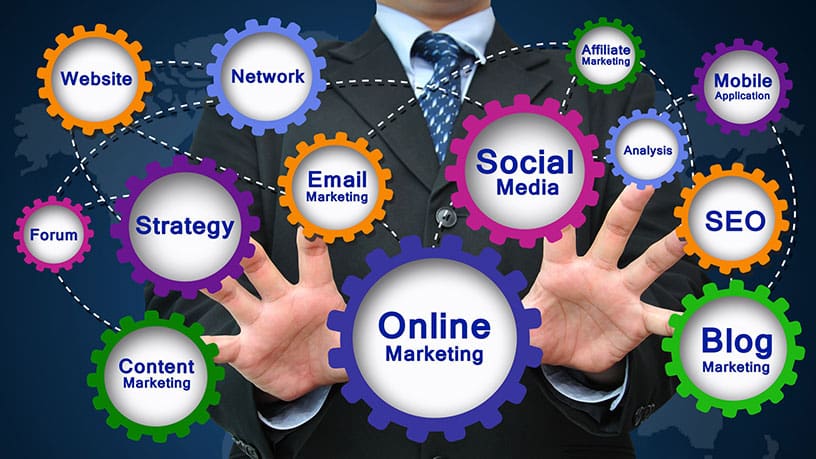
This article provides a comprehensive overview of the core components of effective Internet Marketing, detailing how businesses can move beyond simple online presence to achieve profound, measurable commercial success.
The Foundational Shift: From Interruption to Attraction
Traditional marketing was built on interruption—placing advertisements where consumers couldn’t avoid them (TV, radio, billboards). Internet marketing, conversely, is built on Attraction, primarily through two key methodologies.
1. Content is the Kingmaker (Inbound Marketing)
Inbound marketing is the philosophy of drawing customers in by creating valuable content and experiences tailored to their needs.
- Solve Problems First: The core strategy is to create articles, videos, guides, and infographics that answer the specific questions your target audience is asking. For example, a software company might write an article on “The Top 5 Ways to Automate X Business Process.”
- The Buyer’s Journey: Content should be mapped to the stages of the buyer’s journey: Awareness (identifying a problem), Consideration (researching solutions), and Decision (choosing a vendor). This ensures you have relevant material for every step of the customer’s path.
2. Search Engine Optimization (SEO)
Content without visibility is worthless. SEO is the technical and creative practice of optimizing your website to rank highly in search engine results (like Google). This ensures that when potential customers search for the problem you solve, your content appears first.
- Keyword Strategy: Deeply research the terms and phrases your customers use. Integrate these keywords naturally into your content, headings, and metadata.
- Technical Health: Ensure your website is fast, mobile-friendly, secure (HTTPS), and easily crawlable by search engines. Technical SEO is the often-invisible foundation of high rankings.
The Conversion Engine: Leveraging Digital Channels
While content attracts customers, specific digital channels are necessary to capture interest, nurture leads, and drive final conversion.
3. Targeted Paid Advertising (PPC)
Pay-Per-Click (PPC) advertising, primarily through platforms like Google Ads and social media networks (Facebook, Instagram, LinkedIn), offers instant visibility and unparalleled targeting capabilities.
- Intent-Based vs. Demographic-Based: Google Search Ads target intent (“person is searching for ‘best accounting software'”). Social Media Ads target demographics and interests (“person is interested in finance and small business”). A robust strategy uses both.
- A/B Testing and Optimization: The science of PPC lies in relentless testing. Marketers continuously test different headlines, visuals, and calls-to-action (CTAs) to lower the cost-per-click (CPC) and improve the return on ad spend (ROAS).
4. Email Marketing (The Relationship Builder)
Email remains one of the highest Return on Investment (ROI) channels in digital marketing. It transforms a one-time visitor into a long-term prospect.
- Segmentation: Avoid sending the same email to everyone. Segment your list based on customer behavior (e.g., purchased recently, abandoned cart, clicked on a specific blog post) to send highly personalized and relevant messages.
- Automation: Utilize email automation sequences (drip campaigns) to automatically nurture leads. Examples include a welcome series for new subscribers or a re-engagement sequence for inactive customers.
The Analytical Imperative: Data as the Decision Maker
The single greatest advantage of marketing on the Internet is measurability. Every click, view, scroll, and purchase is traceable, providing data that removes guesswork from strategy.
5. Analytics and Attribution
Mastering tools like Google Analytics is essential. Internet marketers must not only track traffic but understand its source.
- Attribution Modeling: Understanding which touchpoints—was it the first Google search? The second email? The final social media ad?—truly contributed to the final sale. This ensures budget is allocated to the channels that actually convert.
- Actionable Insights: Data is only useful if it leads to action. For example, if data shows blog posts viewed on mobile devices have a high bounce rate, the action is to immediately improve mobile site speed and readability.
Conclusion: Continuous Evolution and Value
Marketing on the Internet is not a set-it-and-forget-it endeavor. It is a commitment to continuous evolution, demanding marketers stay current with algorithm changes, emerging social platforms, and shifts in consumer privacy expectations.
True success lies in adopting a holistic strategy that integrates foundational SEO and content creation with targeted paid amplification and personalized relationship nurturing via email. By placing strategic, data-driven value at the center of every digital interaction, businesses can build a resilient, profitable presence that thrives in the ever-changing online world.